
Contents
Overview
The roots of energy healing stretch back millennia, woven into the fabric of ancient civilizations across the globe. Traditional Chinese Medicine's concept of Qi (vital energy) and its manipulation through practices like Qigong and acupuncture has ancient origins. Similarly, Ayurvedic traditions in India focus on Prana and chakras as energetic centers. Indigenous cultures worldwide, from Native American shamans to Polynesian healers, have long employed rituals and energy work for well-being. The modern resurgence in Western contexts gained momentum in the 20th century with figures like Donna Eden, who developed Eden Energy Medicine, and the popularization of Reiki by Mikao Usui. These practices often emerged from spiritual traditions, emphasizing a connection to universal life force.
⚙️ How It Works
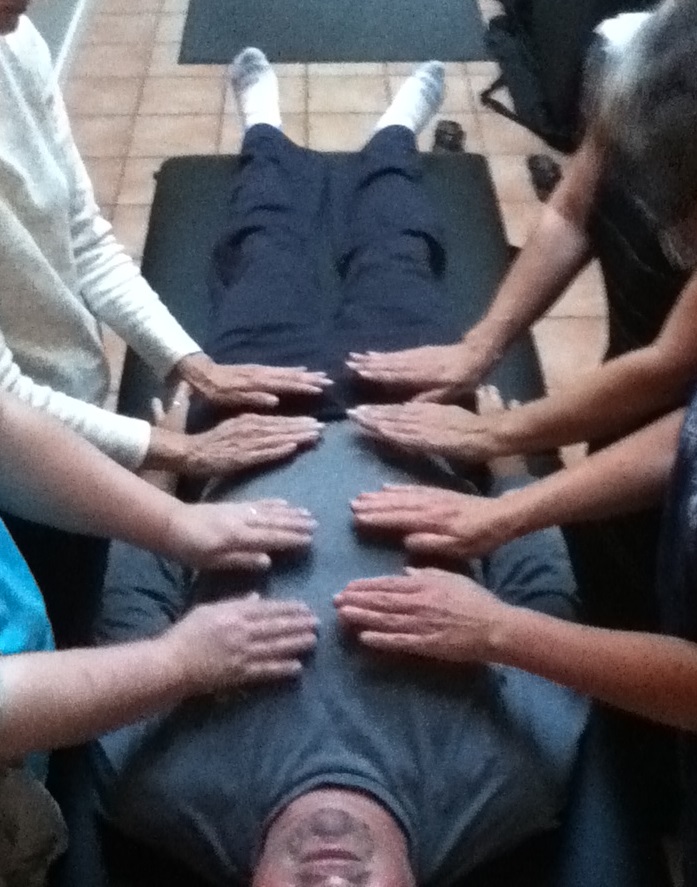
At its core, energy healing operates on the principle that the body possesses a subtle energetic system, often referred to as the biofield, which can be influenced by focused intention and specific techniques. Practitioners believe that by directing energy, they can help clear blockages, harmonize discordant frequencies, and stimulate the body's innate self-healing capabilities. Techniques vary widely: Reiki involves gentle hand placements over the body to channel universal life force energy. Therapeutic Touch focuses on sensing and balancing the patient's energy field without physical contact. Qigong employs movement, breath, and meditation to cultivate and direct Qi. The underlying mechanism is often described in terms of vibrational resonance, where the practitioner's focused, coherent energy field interacts with the recipient's, promoting a return to balance.
📊 Key Facts & Numbers
While precise global market figures for all energy healing modalities are difficult to aggregate due to their diverse and often independent nature, the wellness industry, which encompasses many of these practices, is substantial. Studies on Reiki, one of the most widely researched modalities, have explored its effects on pain management and anxiety, with some meta-analyses indicating potential benefits, though often with small effect sizes. The number of practitioners globally is estimated to be in the hundreds of thousands, with Reiki alone having millions of practitioners worldwide.
👥 Key People & Organizations
Pioneers like Mikao Usui, the founder of Reiki, and Barbara Ann Brennan, author of Hands of Light and founder of the Barbara Brennan School of Healing, have significantly shaped the landscape of modern energy healing. Donna Eden and David Feinstein are prominent figures in Eden Energy Medicine, popularizing a comprehensive system of energy testing and balancing. Organizations such as the National Center for Complementary and Integrative Health (NCCIH) in the U.S. conduct research into these modalities, while professional associations like the International Association of Reiki Professionals (IARP) provide standards and resources for practitioners. Albert Einstein's theories on energy and mass, while not directly about energy healing, laid foundational concepts in physics that later influenced some theoretical frameworks attempting to bridge science and subtle energy.
🌍 Cultural Impact & Influence
Energy healing techniques have permeated various aspects of culture, influencing wellness trends, therapeutic practices, and even artistic expression. The widespread adoption of Reiki in hospitals and hospices across North America and Europe since the late 20th century demonstrates its growing cultural acceptance as a complementary therapy. Books like Hands of Light by Barbara Ann Brennan have become foundational texts for aspiring energy healers, selling millions of copies. The concept of "good vibes" and "energy" in popular discourse, owes a debt to the deeper explorations within energy healing. Furthermore, the rise of online courses and certifications from institutions like Hay House Publishing has democratized access to learning these techniques, spreading their influence globally.
⚡ Current State & Latest Developments
The current landscape of energy healing is marked by increasing integration into mainstream wellness and healthcare settings, alongside ongoing scientific investigation. Many hospitals now offer Reiki or Therapeutic Touch services as complementary therapies for patients undergoing conventional treatment. Online platforms and apps are proliferating, offering guided energy meditations, distance healing sessions, and training in modalities like EFT Tapping. Researchers are exploring the potential of biofield-based therapies using advanced measurement tools like electroencephalography (EEG) and heart rate variability (HRV) to study the physiological effects of these practices. The development of quantum entanglement theories is also being explored by some as a potential framework for understanding distant healing effects, though this remains highly speculative.
🤔 Controversies & Debates
The primary controversy surrounding energy healing techniques lies in the lack of robust, reproducible scientific evidence to support their efficacy beyond placebo effects. Critics, often citing the NCCIH's stance, argue that the concept of "healing energy" is pseudoscientific and not aligned with established physics. Debates often center on the interpretation of research findings: proponents point to studies showing positive outcomes in pain and anxiety, while skeptics emphasize methodological flaws, small sample sizes, and the potential for placebo effects to account for reported benefits. The classification of these practices as "alternative medicine" rather than evidence-based treatments remains a point of contention, with ongoing discussions about regulation, practitioner training, and ethical marketing practices.
🔮 Future Outlook & Predictions
The future of energy healing likely involves a continued push for greater scientific validation and integration into conventional healthcare. We may see more sophisticated research employing advanced neuroimaging and physiological monitoring to better understand the mechanisms at play. The development of standardized training and certification programs could enhance credibility and ensure consistent quality of practice. As our understanding of consciousness and quantum physics evolves, new theoretical frameworks may emerge to better explain phenomena like distant healing and the role of intention. There's also potential for AI-driven personalized energy balancing programs, analyzing individual energetic patterns to suggest tailored interventions. The challenge remains bridging the gap between subjective experience and objective measurement, potentially leading to a more unified understanding of vitality and well-being.
💡 Practical Applications
Energy healing techniques find diverse practical applications across personal well-being and professional settings. Reiki is commonly used in hospitals and hospices to help manage pain, reduce anxiety, and promote relaxation in patients undergoing medical treatments. EFT Tapping (Emotional Freedom Techniques) is employed by therapists and individuals to address emotional distress, phobias, and trauma by combining acupressure with cognitive reframing. Qigong and Tai Chi are practiced globally for their benefits in improving balance, flexibility, stress reduction, and cardiovascular health, often integrated into community wellness programs.
Key Facts
- Category
- energy-medicine
- Type
- topic